
LUNG TRANSPLANT
HEART TRANSPLANT
KIDNEY TRANSPLANT
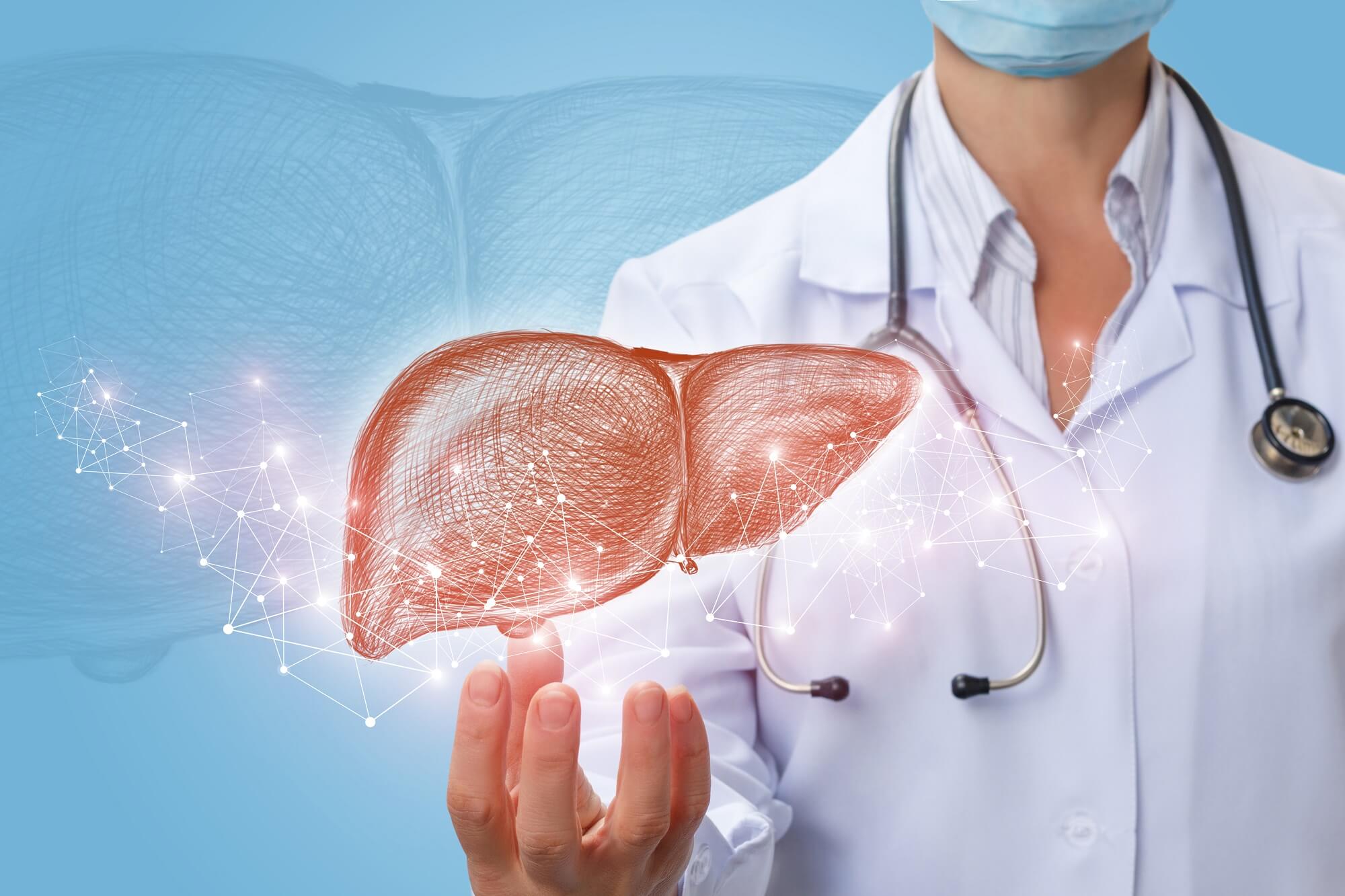
LIVER TRANSPLANT

CORNEA TRANSPLANT
Liver Transplant
What is liver transplantation?
Liver transplantation is the surgical procedure in which a diseased liver, either partially or entirely, is removed and replaced with a healthy liver from a donor. Unlike some other organ transplants, liver transplantation typically requires only blood group compatibility between the donor and recipient, rather than a perfect tissue match.
Who needs liver transplant?
– Complete blood count (CBC)
– Peripheral smear examination
– Blood group
– Prothrombin time (PT)
– Activated partial thromboplastin time (APTT)
– Fibrinogen
– D-Dimer test
– Haemoglobin A1c (HbA1c)
– Erythrocyte sedimentation rate (ESR)
– Glucose-6-phosphate dehydrogenase (G6PD)
– Haemoglobin (Hb) electrophoresis
– Arterial blood gas (ABG) analysis
– Quantitative Buffy Coat (QBC) for Malaria
– Malaria Antigen Detection Test for malarial parasite (MP)
– Others
– Blood sugar
– Liver function test
– Renal function test
– Uric acid
– C-reactive protein (CRP)
– Unsaturated iron binding capacity (UIBC)
– Total iron binding capacity (TIBC)
– Iron
– Creatine kinase (CK)
– CK-MB
– Homocystenine
– Lipoprotein
– Lipid profile
– Lactate dehydrogenase (LDH)
– Apolipoprotein A-I (ApoA1)
– Apolipoprotein B (ApoB)
– Ammonia
– Lipase
– Amylase
– Sodium
– Potassium
– Chloride
– Calcium
– Magnesium
– Phosphorous
– Others
– Urine routine & micro
– Semen examination
– Fluid examination
– Sputum examination
– Stool examination
– Papanicolaou (Pap) smear examination
– Urine pregnancy test
– Platelet rich plasma (PRP)
– Cerebrospinal fluid (CSF) examination
– Blood grouping
– Cross matching
– Packed cell volume (PCV)
– Platelet concentrate
– Fresh frozen plasma
– Platelet rich plasma
– Cryoprecipitate
– Cryo-poor Plasma
– Cytology
– Biopsy
– Immunohistochemistry (IHC)
– Gene Xpert for tuberculosis
– Human immunodeficiency virus (HIV) viral load
– Hepatitis B virus (HBV) viral load
– Hepatitis C virus (HCV) viral load
– Polymerase chain reaction for tuberculosis (TB PCR)
– Human immunodeficiency virus (HIV) test
– Hepatitis B surface antigen (HBsAg)
– Antistreptolysin O (ASO) Tire
– C-reactive protein (CRP)
– Anti-cyclic citrullinated peptide (Anti-CCP) antibody
– Vitamin B12
– Vitamin D
– function test (TFT)
– LH
– FSH
– Prolactin
– Oestrogen
– Progesterone
– Testosterone
– IgE
– PTH
– Ferritin
– Pyogenic culture & sensitivity
– Blood culture & sensitivity
– Fungal culture & sensitivity
– Acid-Fast Bacilli (AFB) culture & sensitivity
– Gram stain
– Zeil-Neelson (ZN) stain
– Modified ZN stain
– Fungal stain
– Crytpococcal antigen detection
– Clostridium difficile toxin detection
– Environmental surveillance
– Biological indicator report
– Water culture
– Food culture
– Hanging drop preparation
– CSSD surveillance
- LH 780-Fully Automated 5 part cell counter - Haematology analyser (Beckman Coulter)
- Cobas c311- Fully Automated Biochemistry analyser (Roche)
- Cobas e411- Fully Automated Immuno-diagnostic analyser (Roche)
- Immulytes 2000 xpi (Siemens) - Fully automated analyser for allergy tests and pregnancy markers
- QWALYS3 (Diagast) - Fully automated blood group analyser
- D10 (HPLC Technology) - Fully automated analyser for HbA1c (Biorad)
- Bactec Fx40 (BD) - Automated blood and body fluid culture instrument for growth and detection of organism
- Vitek 2- Fully automated identification and sensitivity testing of bacteria by minimum inhibitory incubation, MIC (BioMerieux)
- Stago (Startmax) - Coagulometer analyser
- ABL Flex 80 (Radiometer) - Arterial blood gas (ABG) and electrolytes analyser
- COBAS U 411- Urine analyser (Roche)
Equipments :
The pathology laboratory at Empire Hospital is equipped with a wide range of automated analysers. Some of our most prominent instruments are:
Quality Assurance :
– Third party quality controls (Bio-Rad and Randox) are run every day at pre- determined intervals before the commencement of testing of actual patient samples
– Daily analysis of results of controls are done on basis of Westgard’s QC Multi-Rules and corrective actions are taken before analysing patient’s samples
External Quality Assessment Schemes (EQAS) are widely recognized globally as essential tools for laboratories to evaluate the accuracy of their test results. Our laboratory actively participates in EQAS programs offered by Bio-Rad and Randox. This participation is instrumental in enhancing our performance and ensuring the overall quality of our laboratory practices.
– Ideal blood collection using the vacutainer system to prevent activation of the clotting mechanism
– Utilization of a pneumatic system for rapid transport of samples, significantly reducing turnaround time (TAT)
– Regular calibration of machines
– Comprehensive documentation, including log books for instruments and maintenance records (daily, weekly, and monthly)
– Monitoring and documentation of temperature-sensitive instruments (e.g., refrigerators, deep freezers) every 4 hours for storage of reagents, kits, and samples
– Bidirectional interfacing of all instruments with software for automated data transfer, minimizing manual errors in report preparation
– Dual checking of reports by qualified technical staff, with final approval by a pathologist
– Repeat testing of abnormal samples and critical value samples by different technologists