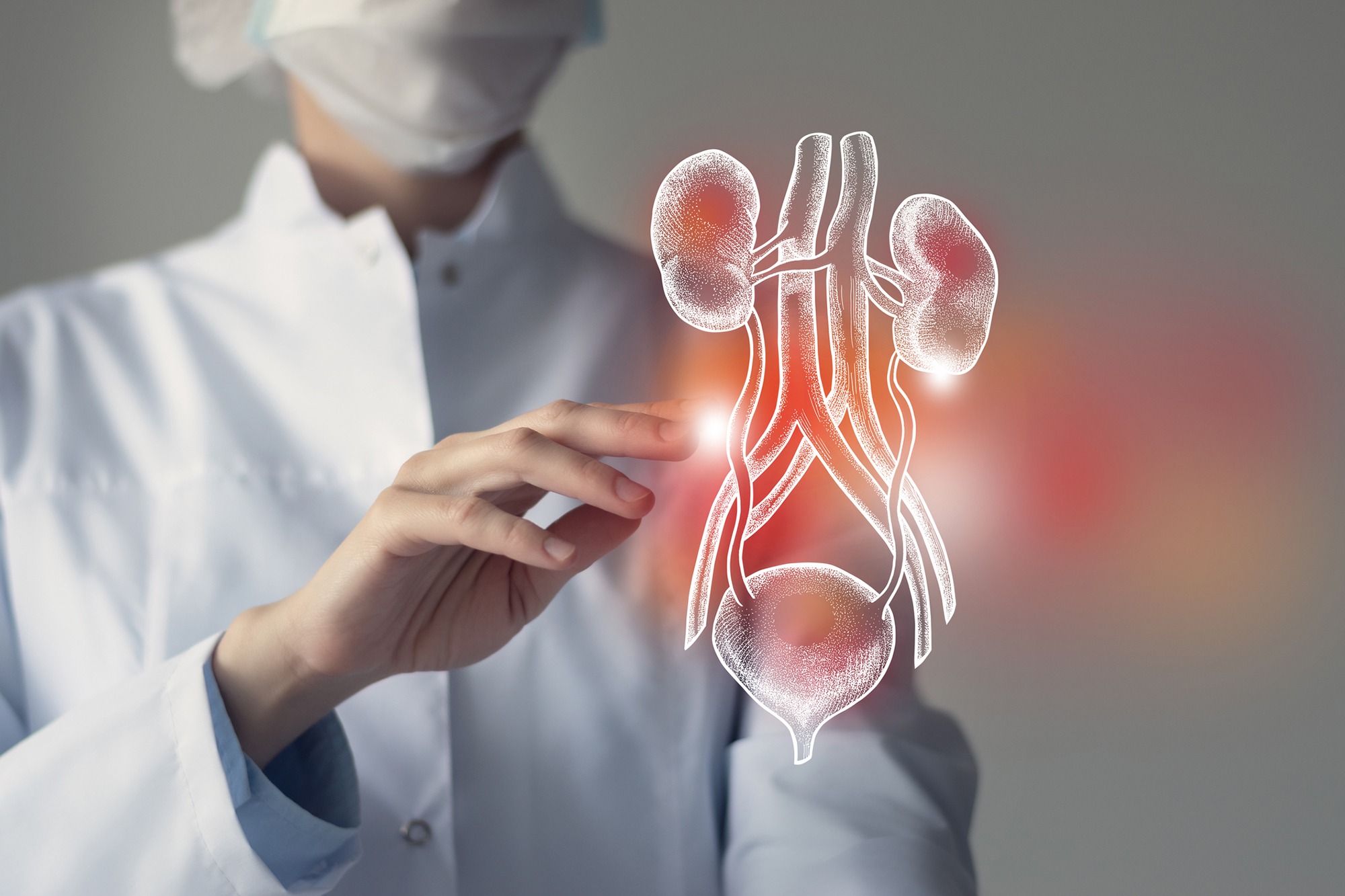
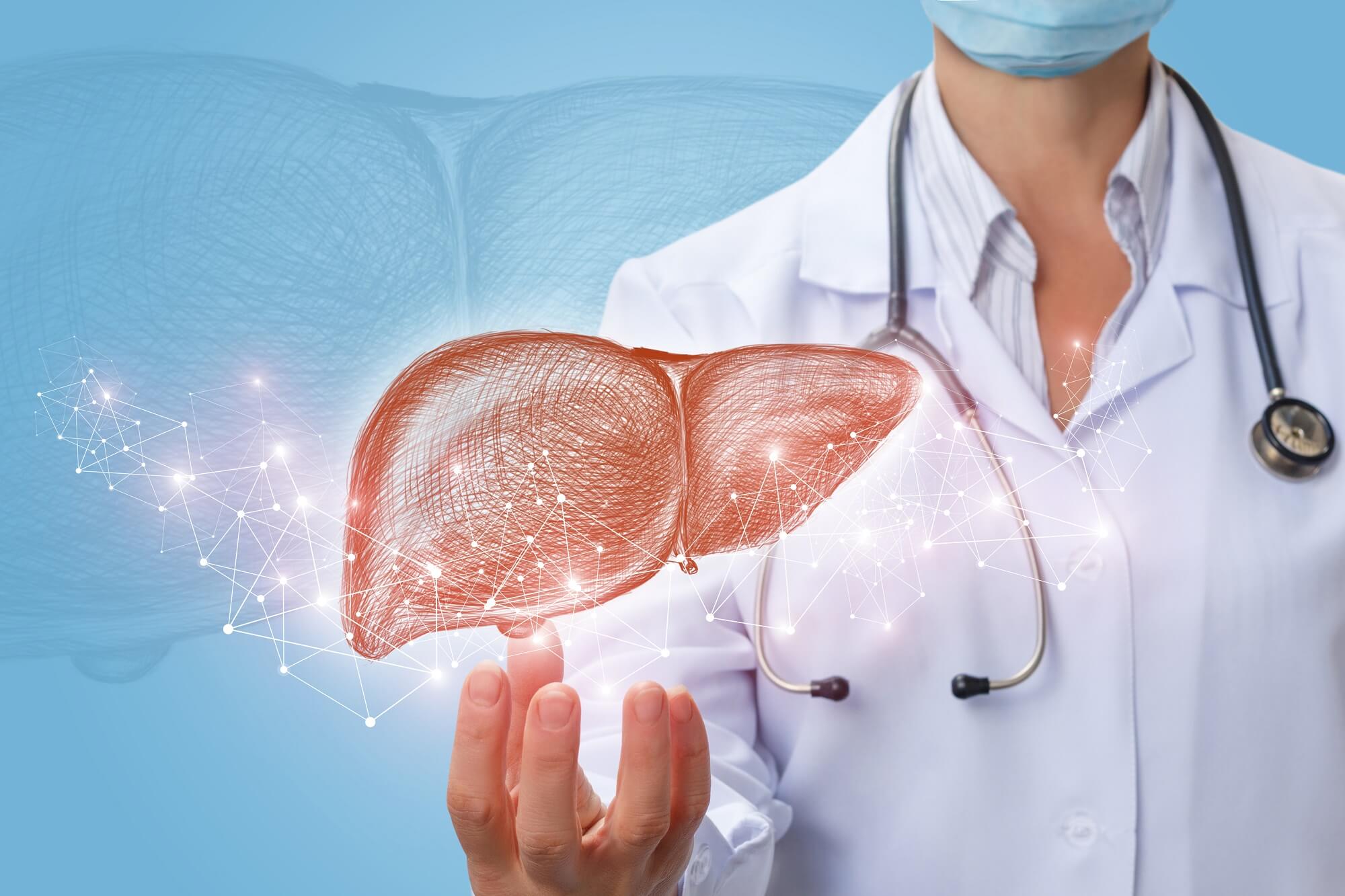
Organ donation is a noble act that offers the chance to save lives even after death. Organs such as the heart, lungs, kidneys, liver, and pancreas play vital roles in the body’s functions. For patients in end-stage organ failure, organ donation is often their only hope. Donated organs are transplanted into these patients, offering them a new lease on life and a chance at a healthier future.
Tissue Donation
Tissues are groups of cells that perform specific functions in the body, such as the cornea, bones, skin, heart valves, blood vessels, nerves, and tendons. Transplanting these tissues can greatly improve the quality of life for many recipients.
Different types of Organ Donation
1. Living Organ Donation
In many countries, individuals who are at least 18 years old have the legal right to voluntarily authorize the removal of their organs for therapeutic purposes during their lifetime. This act of generosity can save lives and improve the quality of life for those in need of organ transplants. Living donation is a remarkable gift, and it can involve donating one kidney, a portion of the liver, or a segment of the pancreas.
There are several types of living donations:
Near related donors
Other than near related donors
Swap donors
2. Deceased Organ Donation
Organ and tissue donation is a profound act of generosity that transcends age, offering the gift of life to multiple patients in need. In cases of brain-stem or cardiac death, individuals of any age can donate, providing hope and healing to others.
Consent for donation is crucial and is typically obtained from the near relatives or the lawful possessor of the deceased’s body. For donors under the age of 18, consent from one of the parents is required.
The medical suitability of organs and tissues for donation is assessed at the time of the tragic event of death. This process ensures that the donation can proceed smoothly, offering a chance for renewed health and vitality to those awaiting transplantation.
Is it possible to receive organs from a friend or other than near relative?
Under the Transplantation of Human Organs Act, individuals who are not near relatives can also donate organs if they have a strong emotional bond or special reason for doing so. However, this requires approval from the Authorization Committee of the hospital where the transplant will occur. In cases where the hospital lacks such a committee, approval can be sought from the District or State level Authorization Committee.
This provision ensures that the donation process is not limited to just near relatives, but extends to individuals who have a genuine affection or compelling reason to donate. The involvement of the Authorization Committee helps uphold ethical standards and ensures that donations are made for the right reasons, promoting the spirit of altruism and compassion in organ donation.
Transplantation
Transplantation is a surgical procedure involving the removal of an organ from one person and its placement into another. This procedure is essential when the recipient’s organ has failed due to illness, end-stage disease, or injury.